Silent Warning Signs of Peripheral Artery Disease (PAD) You Shouldn't Ignore
Nov 06, 2026
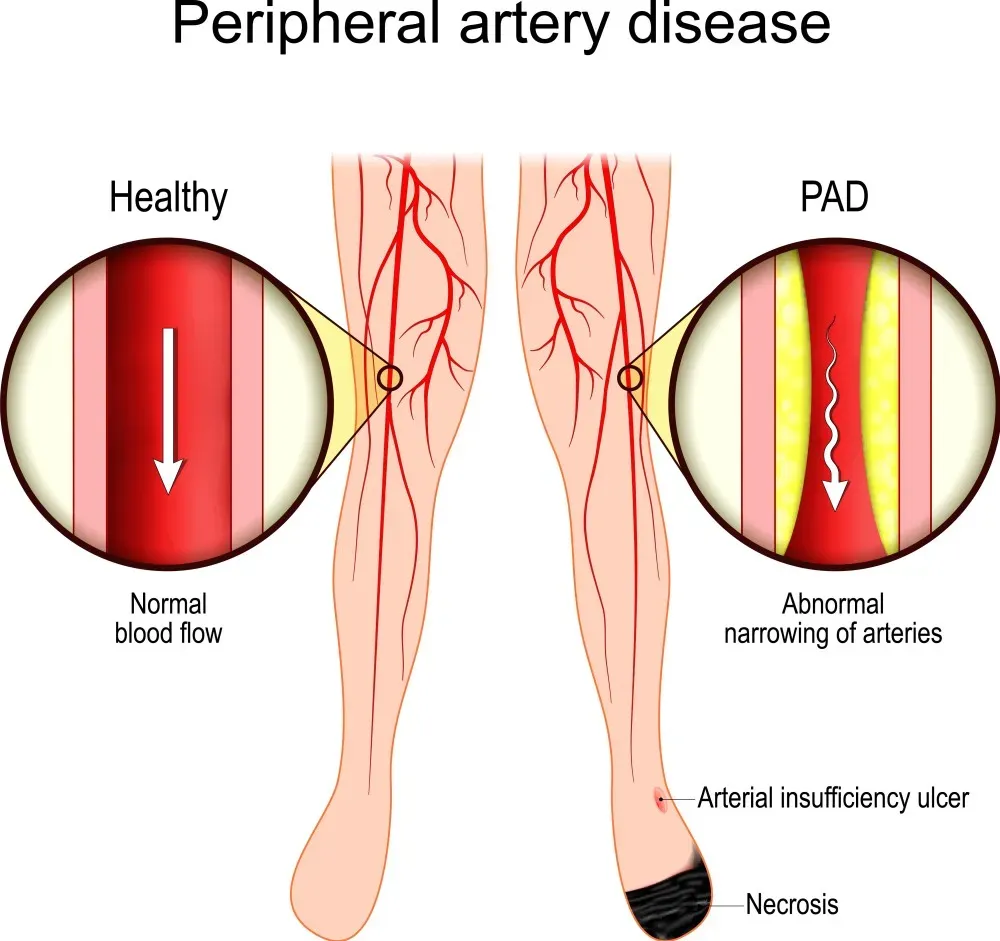
The veins and arteries that carry your blood from your heart, through your body, and back into the lungs for reoxygenation can suffer wear and tear over the years. Arteries clog up with cholesterol, and veins weaken and allow blood to flow backwards. All of this means that your circulatory system gets put under more stress.
According to Dr. Shawn Ahmed at Apex Endovascular in Fort Collins, Colorado, the earliest signs of peripheral artery disease, known as PAD, are silent. You can easily attribute symptoms to other causes and not realize that PAD is a genuine danger until it’s nearly too late.
Peripheral artery disease occurs when the arteries farthest away from the heart (most commonly ones in the legs below the knee) begin to narrow. Excess fats and cholesterol cause a slow but potentially lethal build-up of plaque inside these already narrow arteries, leading to atherosclerosis. This condition makes it harder for blood to push through the arteries.
As a result, the blood supply in the lower legs lessens, and oxygenation is reduced. The heart endures additional strain to pump the circulated blood back from your peripheral veins. That’s when the subtle signs of PAD start to appear.
Here are five silent warning signs of PAD that you shouldn’t ignore.
The reduction of blood supply in the lower legs causes pain, cramping, and aching. Sometimes a sharp pain can arrow through your calf with no warning. Don’t dismiss these pains as charley horses; get your legs checked out by a vascular specialist.
A little scrape on your calf or ankle may not seem like a big deal. That’s only until the wound refuses to heal and turns into a sore or an ulcer on your lower leg, around the ankle, or even on the side of your foot or toe.
Distinct types of leg pain that can point to PAD include leg pain that comes on when you’re active, and stops when you rest. Certain activities that flex the calves, like climbing stairs, can cause the pain to get worse.
You might notice a tightness or ‘heaviness’ in your legs when exercising, usually in the backs of the calves. Your lower legs and ankles can also feel painful and itchy because of insufficient blood supply.
If you notice aching or burning pain in the lower legs, feet, and/or toes when lying flat, it’s likely to be PAD. Try lying on your back in bed with your legs and feet dangling over the side to harness the power of gravity. If your legs feel better, that’s another indicator that PAD is to blame.
Failing to get PAD signs checked out promptly can mean damage continues to be done. One of the most worrisome potential outcomes is that PAD can increase your risk of lower limb amputation.
A wound that won’t heal can become septic or gangrenous. The issue can creep up past the ankle, and continue toward the knee. Between 51% and 93% of lower limb amputations can be traced back to PAD.
To learn more about leg pain and PAD and protect your limb health, schedule a consultation with the team at Apex Endovascular by calling 970-508-8439 or by booking an appointment online.